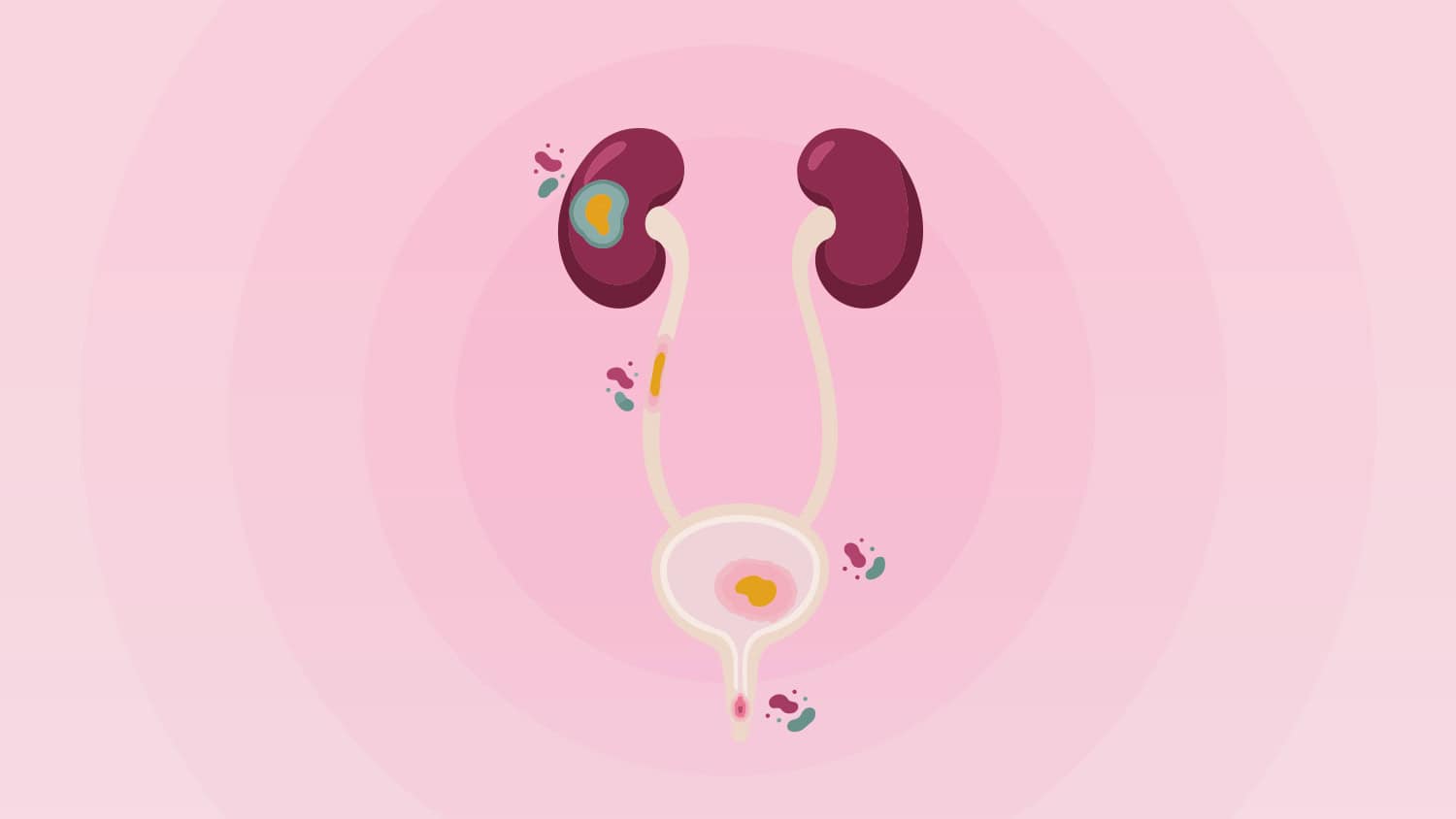
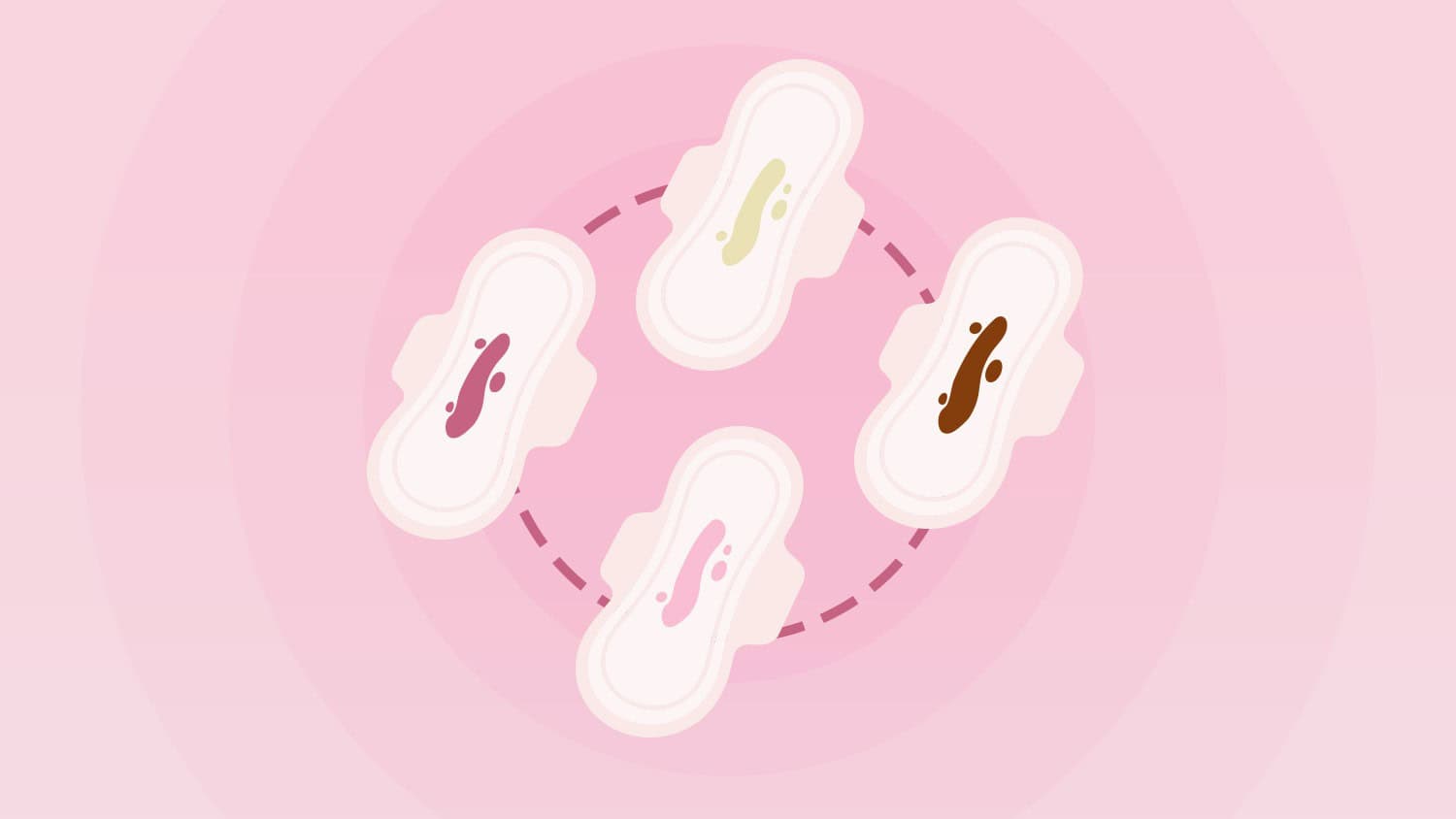
Period diarrhea means having looser, more watery, or more frequent bowel movements around your period. Yes, your menstrual cycle really can affect your gut. And if you have ever wondered, “Why does my period suddenly turn into a bathroom problem too?”, you are far from the only one. For some women, the first clue that a period is coming is not a cramp or a spot of blood, but an urgent trip to the bathroom. Still, there is an important difference between a couple of softer period poops and diarrhea that is severe, persistent, bloody, or otherwise unusual for you. Here is what may be happening, why your bathroom habits can suddenly change, what may help, and when your period may not be the whole explanation.
On this page
- What is period diarrhea?
- Why can your period make you have diarrhea?
- Why do cramps and diarrhea often show up together?
- Can period diarrhea start before you actually begin bleeding?
- Why am I constipated before my period and then suddenly have diarrhea?
- How long should period diarrhea last?
- Can period diarrhea be really watery?
- Why does my poop smell different during my period?
- Could period diarrhea actually be IBS?
- When could endometriosis be hiding behind “period diarrhea”?
- What if I already have Crohn’s disease or ulcerative colitis?
- How can I tell period diarrhea from a stomach bug or another bowel problem?
- Does stress cause period diarrhea?
- Do I need a special diet for period diarrhea?
- What can help when period diarrhea shows up?
- Should I track my period and my poop?
- Can diarrhea affect my birth control pill?
- Which period-diarrhea myths can we stop believing?
- When to see a doctor?
Key takeaways
- Period diarrhea is a real digestive change that can happen shortly before or during menstruation.
- Prostaglandins, chemicals involved in uterine contractions and period cramps, are one likely reason the bowel can become more active around menstruation.
- Some women switch from feeling constipated before their period to having looser or more urgent bowel movements once bleeding begins.
- Period-related diarrhea is usually short-lived and follows a recognizable cycle pattern rather than causing ongoing bowel trouble throughout the month.
- IBS, endometriosis, inflammatory bowel disease, infections, medications, and food intolerances can overlap with period-related diarrhea.
- Hydration matters when stools become frequent or watery, while blood in the stool, severe dehydration, high fever, or severe pain should not be blamed on a period.
What is period diarrhea?
Period diarrhea is not a separate medical diagnosis. It is the everyday term for diarrhea that appears around menstruation, sometimes together with cramps, bloating, nausea, urgency, or extra trips to the bathroom.
There is also an important difference between pooping more often and having actual diarrhea.
The National Institute of Diabetes and Digestive and Kidney Diseases, or NIDDK, describes diarrhea as loose, watery stools three or more times a day, or bowel movements that are looser and more frequent than is normal for you.1
So, if you usually have one bowel movement a day and suddenly have two softer ones on the first morning of your period, your bowel habits have changed. Still, you may not necessarily have significant diarrhea.
If you are repeatedly passing watery stools, rushing to the bathroom, or losing enough fluid to make you feel weak or thirsty, that is more important to pay attention to.1
And this is not something women have simply imagined or turned into an internet joke. Digestive changes around menstruation have been documented in research. One study included 156 healthy premenopausal women. Of them, 24% reported diarrhea during the five days before menstruation, and 28% reported it during their period.2
Why can your period make you have diarrhea?
The short answer is that your uterus and bowel are close neighbors, and both can respond to the chemical and hormonal changes happening around menstruation.
One of the best-known players is a group of natural chemicals called prostaglandins.
Prostaglandins help the uterus contract so it can shed its lining. The American College of Obstetricians and Gynecologists, or ACOG, explains that prostaglandin levels are high at the beginning of menstruation and contribute to uterine contractions and period cramps.3
But the effects around menstruation may not stop at the uterus. Research suggests that changes in prostaglandins and reproductive hormones can also influence how quickly the intestines move and how sensitive the digestive tract feels. That may help explain why cramping, urgency, bloating, and diarrhea can arrive together.4
There is one important correction to the usual internet explanation, though.
You may have read that “extra prostaglandins simply spill into your intestines and make you poop.” That makes the biology sound much more settled than it really is.
Prostaglandins are an important part of the explanation, but researchers have not proved that every case of period diarrhea is caused by prostaglandins alone. Hormones, gut sensitivity, underlying digestive conditions, medications, diet, stress, and individual differences may all influence what happens.4
In other words, your period can affect your gut, but there is more than one pathway connecting the two.
Why do cramps and diarrhea often show up together?
Cramps and diarrhea can show up together because both symptoms tend to become noticeable when menstrual activity is strongest.
ACOG specifically lists diarrhea, nausea, vomiting, headache, and dizziness among symptoms that can accompany severe menstrual pain. The medical word for painful periods is dysmenorrhea.3
Research also supports the first-day pattern many women recognize. A prospective U.S. study followed 78 healthy women ages 18 to 35 who were taking oral contraceptives. Researchers recorded their digestive symptoms throughout the menstrual cycle. Several symptoms changed depending on the day of the cycle, including diarrhea, abdominal pain, stool frequency and form, constipation, reflux, and indigestion. Diarrhea and abdominal pain were highest on the first day of menstrual bleeding compared with the other measured days.5
So if day one of your period feels like your uterus and your bowel have both decided to become extremely active at the same time, there is a biological reason those symptoms can overlap.
Can period diarrhea start before you actually begin bleeding?
Period diarrhea can start before visible menstrual bleeding begins.
Your digestive system does not have to wait for visible menstrual bleeding before it responds to the changes surrounding your period.
In the study of healthy women mentioned earlier, diarrhea was reported by 24% of participants during the five days before menstruation, compared with 28% during menstruation itself.2 That means loose stools the evening before your expected period can still fit a menstrual pattern.
The more useful question is whether the timing repeats.
If diarrhea reliably appears shortly before or at the beginning of your period and then settles, the pattern supports a menstrual connection.
If it continues long after your period ends, happens randomly throughout the month, or is getting progressively worse, your menstrual cycle may be only part of the explanation.
Why am I constipated before my period and then suddenly have diarrhea?
This is one of the stranger, but very real, menstrual-gut patterns. Research suggests that gastrointestinal transit, meaning how quickly food and waste move through your digestive tract, can slow during parts of the menstrual cycle, particularly during the luteal phase of your menstrual cycle, which is the time after ovulation and before your next period.4
Then, as menstruation begins and the hormonal and prostaglandin environment changes again, bowel habits can shift toward softer or more frequent stools.4
So the experience of:
“I could barely go for three days, and now I cannot stay out of the bathroom” is not necessarily a contradiction.
What we should not do is blame the entire switch on one hormone. Progesterone, estrogen, prostaglandins, bowel sensitivity, and a person’s usual digestive pattern may all contribute. Research does not show one bowel pattern that every woman follows.4
Your gut may be very predictable from cycle to cycle, while someone else’s behaves completely differently.
How long should period diarrhea last?
No medically proven stopwatch says period diarrhea must disappear after exactly 24, 48, or 72 hours.
What studies do suggest is that gastrointestinal discomfort tends to cluster around the start of menstruation rather than remain equally strong throughout the entire cycle.25 So a brief, predictable episode around the beginning of your period is generally more consistent with menstrual bowel changes than diarrhea that continues day after day.
This is also why claims such as “period diarrhea is normal for exactly one to three days” should be treated cautiously. Research does not give every woman that precise timeline.
For diarrhea in general, NIDDK says adults should talk with a doctor when diarrhea lasts more than two days.6
Can period diarrhea be really watery?
Period-related stools can become loose or watery. But repeated, severe watery diarrhea is different from simply having softer period poops.
A 2023 case report from Bangladesh described a woman who experienced episodes of severe watery diarrhea during menstruation for three years. The researchers explored whether menstrual hormonal changes and prostaglandins might be contributing. They also emphasized that this was an unusual presentation and that persistent severe menstrual-associated diarrhea deserves proper investigation.7 A case report involving one patient cannot prove that menstruation caused the diarrhea.
Its more useful lesson is this:
A symptom happening during your period does not automatically mean your period is the entire cause.
If you have profuse watery diarrhea every month, are becoming dehydrated, or notice that the episodes are worsening, it is worth discussing the pattern with a doctor rather than planning your life around being sick every period.
Why does my poop smell different during my period?
There is no good evidence showing that there is a medically distinct “period poop smell.” Stool can smell different because its consistency, transit time, food content, and other digestive factors have changed. But menstruation does not give doctors a recognized stool odor that proves a bowel movement is period-related.
Smell becomes more medically meaningful when it comes with other symptoms. NIDDK notes that loose, greasy, foul-smelling stools can occur with malabsorption, which means the digestive system is not absorbing nutrients properly, particularly when symptoms such as weight loss are also present.6
So smell by itself usually tells us very little. Frequency, consistency, pain, timing, fever, bleeding, weight changes, and whether the problem is new are much more useful clues.
Could period diarrhea actually be IBS?
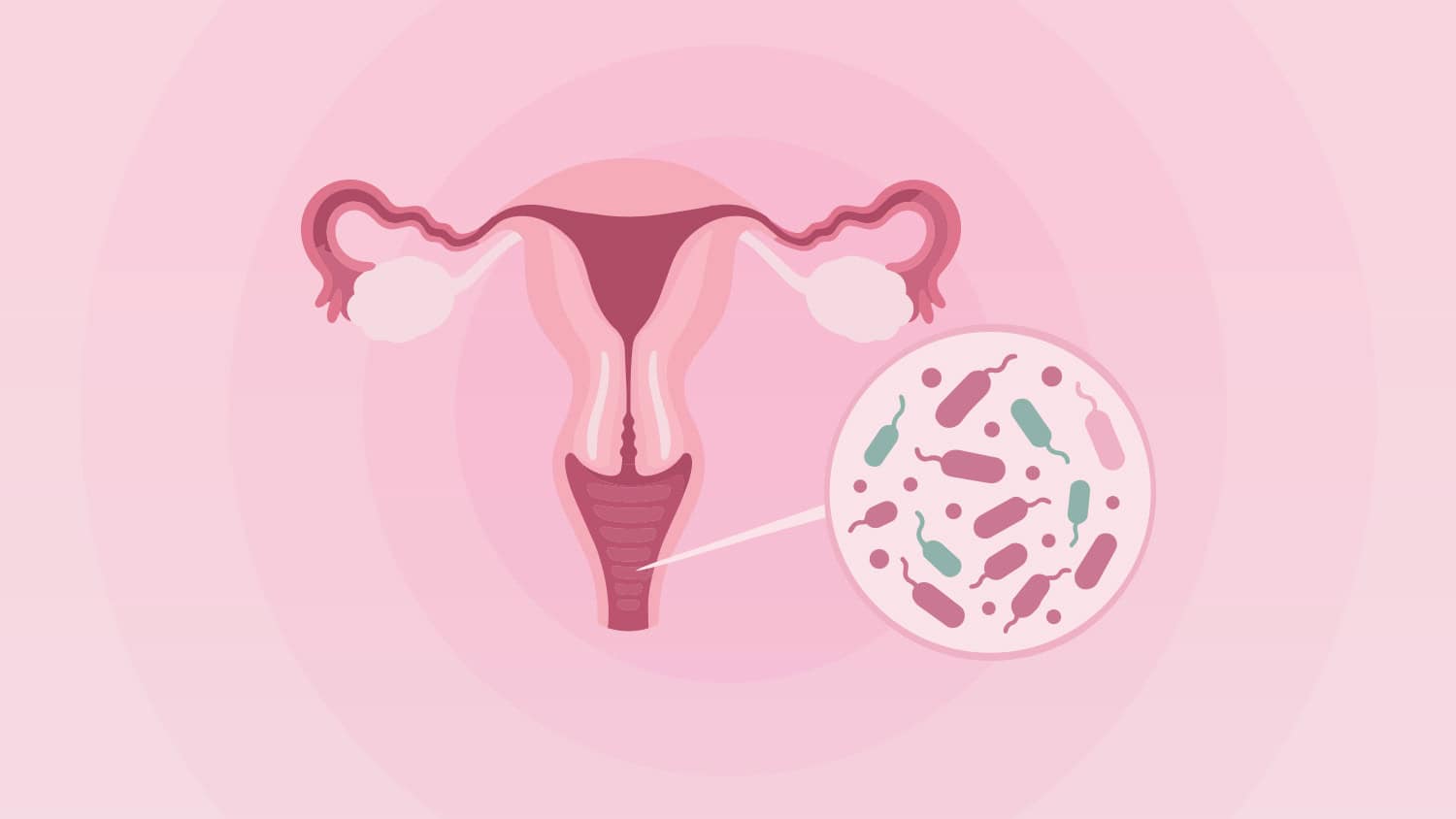
Sometimes your period is not creating a new bowel problem. It is turning up the volume on a gut that is already sensitive.
Irritable bowel syndrome, or IBS, is a long-term digestive disorder involving recurring abdominal pain and changes in bowel movements. Those changes can include diarrhea, constipation, or both.
Cleveland Clinic notes that women with IBS often experience more symptoms during their menstrual periods.8 Research has also found that some women with IBS experience more abdominal pain, bloating, diarrhea, and overall digestive discomfort during menstruation.4 But diarrhea on the first day of your period does not automatically mean you have IBS.
IBS is identified from a longer-standing pattern of abdominal pain and altered bowel habits. It is not diagnosed from one or two bathroom-heavy days each month.8
One helpful question to ask yourself is:
Does my digestive system bother me mainly around my period, or does my period make an existing digestive problem much worse? Those are two different patterns.
When could endometriosis be hiding behind “period diarrhea”?
This is one area where menstrual diarrhea deserves a little more attention.
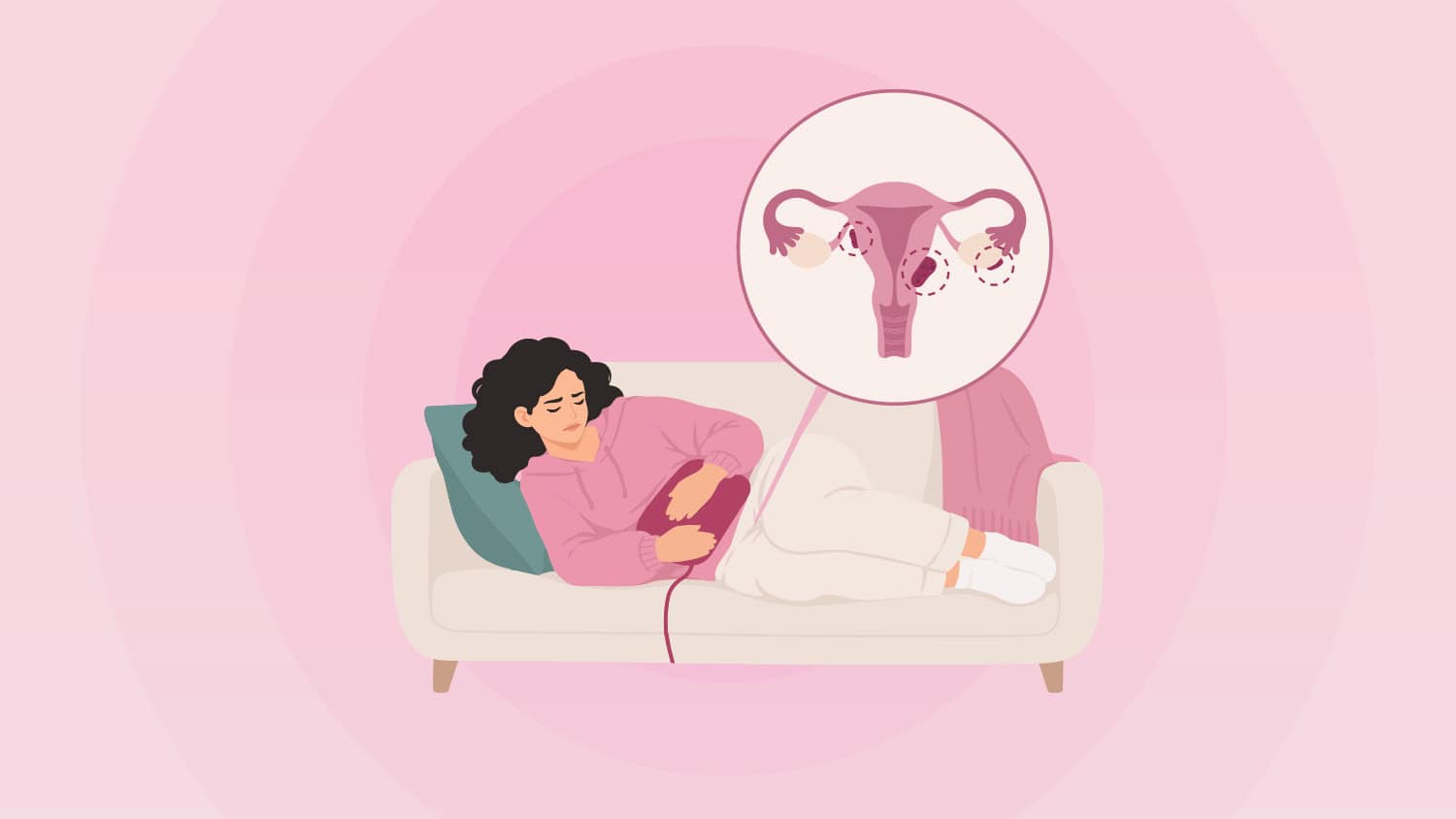
Endometriosis is a chronic condition in which tissue similar to the lining of the uterus grows elsewhere in the body. It can affect areas around the bowel and may cause digestive symptoms such as diarrhea, constipation, bloating, nausea, intestinal discomfort, or painful bowel movements, particularly around menstruation.9
But diarrhea alone is not a strong clue for endometriosis.
The pattern becomes more meaningful when bowel symptoms travel with other symptoms. ACOG says endometriosis may be considered when menstrual pain becomes worse over time, lasts beyond the first one or two days of the period, or occurs at other times of the month or during sex.10 Painful bowel movements or painful urination during periods are also recognized symptoms.9
Things worth mentioning to your OB-GYN include:
- Painful bowel movements during your period
- Pelvic pain that has become worse over time
- Pain that continues after the first days of menstruation
- Pain during sex
- Bowel or bladder symptoms that become noticeably worse with your period910
ACOG issued updated clinical guidance on diagnosing endometriosis in 2026, emphasizing evidence-based clinical assessment and imaging when appropriate.11
The important message is not “period diarrhea means endometriosis.”
It is:
Diarrhea plus a strong pattern of worsening pelvic or bowel pain deserves more attention than diarrhea alone.
What if I already have Crohn’s disease or ulcerative colitis?
Menstruation can change how digestive symptoms feel, but that does not necessarily mean your inflammatory bowel disease is actively worsening.
Inflammatory bowel disease, or IBD, includes conditions such as Crohn’s disease and ulcerative colitis.
Research has found cyclical gastrointestinal symptoms in women with IBD. In one prospective study, women with IBD and healthy controls both reported greater abdominal pain during menstruation. However, several symptoms more specific to IBD did not significantly worsen across menstrual phases.12
Other research has also found that women with IBD may experience a greater overall symptom burden around menstruation.13
That distinction matters. If you already have Crohn’s disease or ulcerative colitis, symptoms such as blood in the stool, diarrhea waking you repeatedly at night, worsening urgency, unexplained weight loss, or a clear change from your usual disease pattern should not automatically be labeled “period diarrhea.”
How can I tell period diarrhea from a stomach bug or another bowel problem?
Timing can give clues, but it cannot diagnose the cause by itself.
| What you notice | More consistent with a short-lived menstrual bowel change | Infection or foodborne illness | IBS | Endometriosis or another pelvic condition |
| Timing | Repeats shortly before or during periods | Can start at any time | Symptoms recur over months and may flare around periods | Often follows a cyclical pain or bowel pattern |
| Fever | Not expected from menstruation itself | May occur | Not typical | Not typical |
| Vomiting | Can accompany severe menstrual pain, but repeated vomiting deserves attention | Common with some infections | Not a defining feature | Not a defining feature |
| Blood in stool | Should not be blamed on a period | Can occur with some infections | Not explained by IBS | Can require investigation if bowel involvement is suspected |
| Pelvic pain | Period cramps may occur | Usually not a cyclical pelvic-pain pattern | Abdominal pain is linked to bowel symptoms | Painful periods, bowel movements, sex, or persistent pelvic pain may occur |
| Between periods | Usually settles | Follows the illness course | Symptoms often recur throughout the year | Symptoms can extend beyond menstruation |
Diarrhea can be caused by infections, food intolerances, medication effects, IBS, inflammatory bowel disease, and many other digestive conditions.68
Think of your period as one clue, not a diagnosis.
Does stress cause period diarrhea?
Stress can influence your period and digestive symptoms, but that does not mean the problem is “all in your head.” The brain and digestive system communicate constantly. Researchers sometimes call this the gut-brain connection.
In the study of healthy women discussed earlier, anxiety and depressed mood were associated with having multiple gastrointestinal symptoms before and during menstruation.2
That does not prove that anxiety caused the diarrhea. It tells us that menstrual, emotional, hormonal, and digestive symptoms can overlap.
This distinction matters because women’s digestive symptoms are sometimes brushed aside as stress. A symptom can have a genuine physical basis and still be influenced by stress, sleep, pain, diet, and gut sensitivity at the same time.
Do I need a special diet for period diarrhea?
Most people do not need a special diet for period diarrhea. There is no evidence-based menstrual “detox,” cleansing diet, hormone-balancing menu, or universal list of foods every woman needs to avoid because she has loose stools during her period.
For ordinary acute diarrhea, NIDDK says most people can return to their regular diet once their appetite returns, even if some diarrhea is still present.14
That does not mean food never matters. If coffee, dairy, spicy food, very fatty meals, or another food consistently makes your bowel symptoms worse, noticing that repeatable pattern can be useful. But there is a difference between recognizing a personal trigger and banning entire food groups because an internet list says women should not eat them during their periods.
A simple food and symptom diary may help if the pattern is confusing.14
And one myth is worth clearing up completely:
Your period is not your body “detoxing” through your bowel.
Menstruation is the shedding of blood and tissue from the uterus. Diarrhea comes from the digestive tract. The two systems can influence each other, but they are not the same process.
What can help when period diarrhea shows up?
Start with the most important thing: replace the fluid you are losing.
For uncomplicated acute diarrhea, NIDDK emphasizes replacing fluids and electrolytes. Water, broth, electrolyte-containing drinks, and oral rehydration solutions can all be useful depending on how much fluid you are losing.14
Keep fluids within reach
Frequent watery bowel movements remove both water and electrolytes. Signs that you may be getting dehydrated include:
- Strong thirst
- Dry mouth
- Urinating less often
- Dark-colored urine
- Tiredness
- Dizziness
- Lightheadedness6
You do not need to wait until you feel dramatically dehydrated before paying attention to fluids.
Eat when you feel ready
You do not have to survive on crackers until every loose bowel movement stops. NIDDK notes that most adults can return to their normal diet when their appetite returns.14
If you already know that certain foods make your diarrhea worse, it makes sense to avoid those personal triggers temporarily. What is less useful is following a very restrictive “period diet” without a medical reason.
What about over-the-counter diarrhea medicine?
NIDDK notes that adults can often use over-the-counter medicines such as loperamide or bismuth subsalicylate for acute diarrhea.14
These medicines are generally not appropriate when diarrhea is accompanied by bloody stools or fever. NIDDK also says worsening diarrhea or diarrhea that continues for more than two days while using an OTC medicine should be medically evaluated.14
Not every episode of period-related loose stool needs medication. If you are unsure whether an OTC medicine is appropriate, a pharmacist or doctor can help, especially if you are pregnant, take other medications, or have another medical condition.
Does ibuprofen stop period diarrhea?
This claim needs a little untangling.
Ibuprofen and naproxen belong to a group of medicines called nonsteroidal anti-inflammatory drugs, or NSAIDs. They reduce prostaglandin production and are commonly used for menstrual cramps.3
But ibuprofen is a pain reliever, not a standard antidiarrheal medicine. The idea that it automatically “stops period poops” takes the prostaglandin theory further than the evidence allows.
NSAIDs also are not appropriate for everyone. They can affect the stomach and digestive tract and may not be suitable for people with certain medical conditions.3
So period cramps and period diarrhea may share some biology, but treating one does not automatically mean you are treating the other.
Should I track my period and my poop?
If this keeps happening, tracking can be surprisingly useful. For two or three cycles, write down:
- The first day of menstrual bleeding
- When loose stools begin
- When they stop
- How many bowel movements you have
- Whether stools are soft or truly watery
- Whether you have cramping or pelvic pain
- Whether bowel movements hurt
- Whether you have nausea or vomiting
- Whether you have a fever
- Whether there is blood in the stool
- Whether symptoms wake you from sleep
- Any medications or foods that seem connected
Research on menstrual bowel symptoms often relies on daily diaries because symptoms can be difficult to remember accurately several weeks later.512
And a record changes the conversation with your doctor.
“I think my stomach gets bad around my period” is useful. But: “Every month, loose stools begin the evening before bleeding, peak on day one, and are gone by the next evening” is far more useful. Patterns tell a story.
Can diarrhea affect my birth control pill?
Diarrhea can affect how you should use an oral birth control pill, but the details matter.
The issue is not that menstruation changes the pill. The concern is that prolonged vomiting or severe diarrhea may interfere with reliable oral contraceptive use.
For combined birth control pills, current CDC guidance says vomiting or diarrhea that lasts less than 48 hours generally does not require additional contraceptive protection.
If vomiting or diarrhea lasts for 48 hours or longer, the CDC says to continue taking the pills but use condoms or avoid sex until hormonal pills have been taken for seven consecutive days after the illness has resolved.15
Instructions are different for some progestin-only pills. The CDC found no direct research measuring how vomiting or diarrhea changes pill effectiveness. The guidance is therefore based on what is known about missed pills.15
So if diarrhea happens while you take an oral contraceptive, check the instructions for your specific pill type rather than assuming all pills follow the same rule.
Which period-diarrhea myths can we stop believing?
| Myth | What we actually know |
| “My body is detoxing during my period.” | Menstruation sheds the uterine lining. Diarrhea comes from the digestive tract. |
| “Prostaglandins explain every case of period diarrhea.” | They are an important possible mechanism, but hormones, bowel sensitivity, medications, diet, stress, and digestive conditions may also matter.34 |
| “Any diarrhea during a period is normal.” | Short-lived bowel changes can happen, but diarrhea that is severe, persistent, bloody, dehydrating, or comes with a fever needs more attention.6 |
| “Period diarrhea means I have IBS.” | IBS involves a longer-term pattern of abdominal pain and altered bowel habits. Periods may worsen IBS, but they do not diagnose it.8 |
| “Ibuprofen is a treatment for period diarrhea.” | NSAIDs reduce prostaglandins and menstrual pain, but they are not standard antidiarrheal medicines.314 |
| “I should fast or detox until it stops.” | Most adults with uncomplicated acute diarrhea can return to their usual diet once their appetite returns.14 |
When to see a doctor?
A mild, predictable bowel change that appears around your period and settles again is very different from diarrhea that repeatedly disrupts your health.
Arrange a medical visit if:
- The diarrhea becomes more severe from one cycle to the next.
- It repeatedly keeps you from school, work, sleep, or normal activities.
- It lasts more than two days.
- You have six or more loose stools in one day.
- You have painful bowel movements together with worsening menstrual or pelvic pain.
- You have pain during sex.
- Bowel or bladder symptoms become markedly worse with every period.
- Diarrhea happens throughout the month rather than mainly around menstruation.
- You are losing weight without trying.
- You already have IBS, Crohn’s disease, ulcerative colitis, or another digestive condition and your usual symptom pattern changes.
- You are pregnant, older than 65, immunocompromised, or taking antibiotics and develop significant diarrhea.6910
Persistent diarrhea does not automatically mean something serious is wrong. It simply deserves to be investigated instead of repeatedly being explained away as “one of those period things.” Depending on the situation, a doctor may review your symptom pattern, medications, food exposures, menstrual history, and other health conditions. Blood or stool testing may sometimes be used when diarrhea persists or has concerning features.16
Seek urgent medical care rather than waiting for your period to end if you have:
- Black or tarry stools, or red blood or pus in the stool
- Severe abdominal or rectal pain
- Frequent vomiting that keeps you from holding down fluids
- Fainting, confusion, or marked weakness
- Very little urine, very dark urine, severe dizziness, or other signs of significant dehydration
- A high fever with diarrhea6
Frequently asked questions
Yes. Studies have documented changes in bowel habits, including diarrhea, both before and during menstruation. Mild, short-lived symptoms are different from severe or persistent diarrhea.
Prostaglandins and other menstrual changes may increase bowel activity. Research has found that diarrhea and abdominal discomfort can be highest around the first day of bleeding.
Digestive changes can begin before visible bleeding because hormonal and chemical changes associated with menstruation are already taking place.
Bowel movement and intestinal transit can change across the menstrual cycle. Some women experience slower bowel activity before menstruation and looser stools once bleeding begins.
Yes, stools can become watery. Repeated or severe watery diarrhea, especially if it causes dehydration or happens every month, should not automatically be blamed on menstruation.
No. Diarrhea alone does not diagnose endometriosis. Concern is greater when it comes with progressively painful periods, painful bowel movements, pain during sex, or other strongly cyclical pelvic symptoms.
Prolonged diarrhea may affect instructions for oral contraceptive use. What you need to do depends on your pill type and how long the diarrhea lasts.
A menstrual connection is more likely when the same short-lived pattern repeats around menstruation. Fever, repeated vomiting, blood in the stool, symptoms in other people who ate the same food, or diarrhea unrelated to your cycle may point toward another cause.
Diarrhea by itself cannot tell you whether you are pregnant. If pregnancy is possible, a pregnancy test is more useful than trying to judge pregnancy from bowel symptoms alone.
Start by replacing the fluids and electrolytes you are losing. Some adults can also use over-the-counter diarrhea medicines when appropriate, but diarrhea that is severe, bloody, persistent, or comes with a fever needs medical attention rather than simply being treated as a period symptom.
Last medically reviewed on
References
Our commitment to accuracy is paramount; we use high-quality sources, including peer-reviewed studies, to support the facts in our articles. Learn more about our Editorial Process.
- National Institute of Diabetes and Digestive and Kidney Diseases (NIDDK). Definition & Facts for Diarrhea. (Last reviewed: September 2024). niddk.nih.gov
- Bernstein, M. T., Graff, L. A., Avery, L., Palatnick, C., Parnerowski, K., & Targownik, L. E. (2014). Gastrointestinal symptoms before and during menses in healthy women. BMC Women's Health, 14, 14. doi.org
- American College of Obstetricians and Gynecologists (ACOG). Dysmenorrhea: Painful Periods. (Last reviewed: June 2026). acog.org
- Bharadwaj, S., Barber, M. D., Graff, L. A., & Shen, B. (2015). Symptomatology of irritable bowel syndrome and inflammatory bowel disease during the menstrual cycle. Gastroenterology Report, 3(3), 185–193. doi.org
- Judkins, T. C., Dennis-Wall, J. C., Sims, S. M., Colee, J., & Langkamp-Henken, B. (2020). Stool frequency and form and gastrointestinal symptoms differ by day of the menstrual cycle in healthy adult women taking oral contraceptives: a prospective observational study. BMC Women's Health, 20(1), 136. doi.org
- National Institute of Diabetes and Digestive and Kidney Diseases (NIDDK). Symptoms & Causes of Diarrhea. (Last reviewed: September 2024). niddk.nih.gov
- Amin, M. A., Nahin, S., Manna, R. M., & Hawlader, M. D. H. (2023). Menstruation-related acute watery diarrhoea: Understanding the impact of hormonal fluctuations on digestive health. Reproductive, Female and Child Health, 2(4), 229–232. doi.org
- Cleveland Clinic. Irritable Bowel Syndrome (IBS): Symptoms, Causes & Treatment. (Medically reviewed: November 16, 2023). my.clevelandclinic.org
- Office on Women's Health (OASH). Endometriosis. (last updated: October 24, 2025). womenshealth.gov
- American College of Obstetricians and Gynecologists (ACOG). Chronic Pelvic Pain. (Last reviewed: July 2025). acog.org
- Diagnosis of endometriosis: ACOG Clinical Practice Guideline No. 11. Obstetrics & Gynecology. 2026;147(3):432–448. doi:10.1097/AOG.0000000000006181 acog.org
- Lim, S. M., Nam, C. M., Kim, Y. N., Lee, S. A., Kim, E. H., Hong, S. P., Kim, T. I., Kim, W. H., & Cheon, J. H. (2013). The effect of the menstrual cycle on inflammatory bowel disease: a prospective study. Gut and Liver, 7(1), 51–57. doi.org
- Lahat, A., Falach-Malik, A., Haj, O., Shatz, Z., & Ben-Horin, S. (2020). Change in bowel habits during menstruation: are IBD patients different? Therapeutic Advances in Gastroenterology, 13. doi.org
- National Institute of Diabetes and Digestive and Kidney Diseases (NIDDK). Treatment of Diarrhea. (Last reviewed: September 2024). niddk.nih.gov
- Curtis, K. M., Nguyen, A. T., Tepper, N. K., Zapata, L. B., Snyder, E. M., Hatfield-Timajchy, K., Kortsmit, K., Cohen, M. A., Whiteman, M. K., Baker, C., Dethier, D., Garbarino, S., Gold, H., Halper, E., Kapp, N., Krishna, G., Meurice, M., Ramer, S., Rodenhizer, J., … Wright, S. (2024). U.S. selected practice recommendations for contraceptive use, 2024. MMWR Recommendations and Reports, 73(3), 1–77. doi.org
- National Institute of Diabetes and Digestive and Kidney Diseases (NIDDK). Diagnosis of Diarrhea. (Last reviewed: September 2024). niddk.nih.gov
Update history
Our team monitors the health and wellness space to keep articles current.
Current version (October 5, 2026) — Medically reviewed by Dr. Sadaf Iftikhar, MBBS, FCPS. Written by Dr. Smaher Mustafa, MBBS.