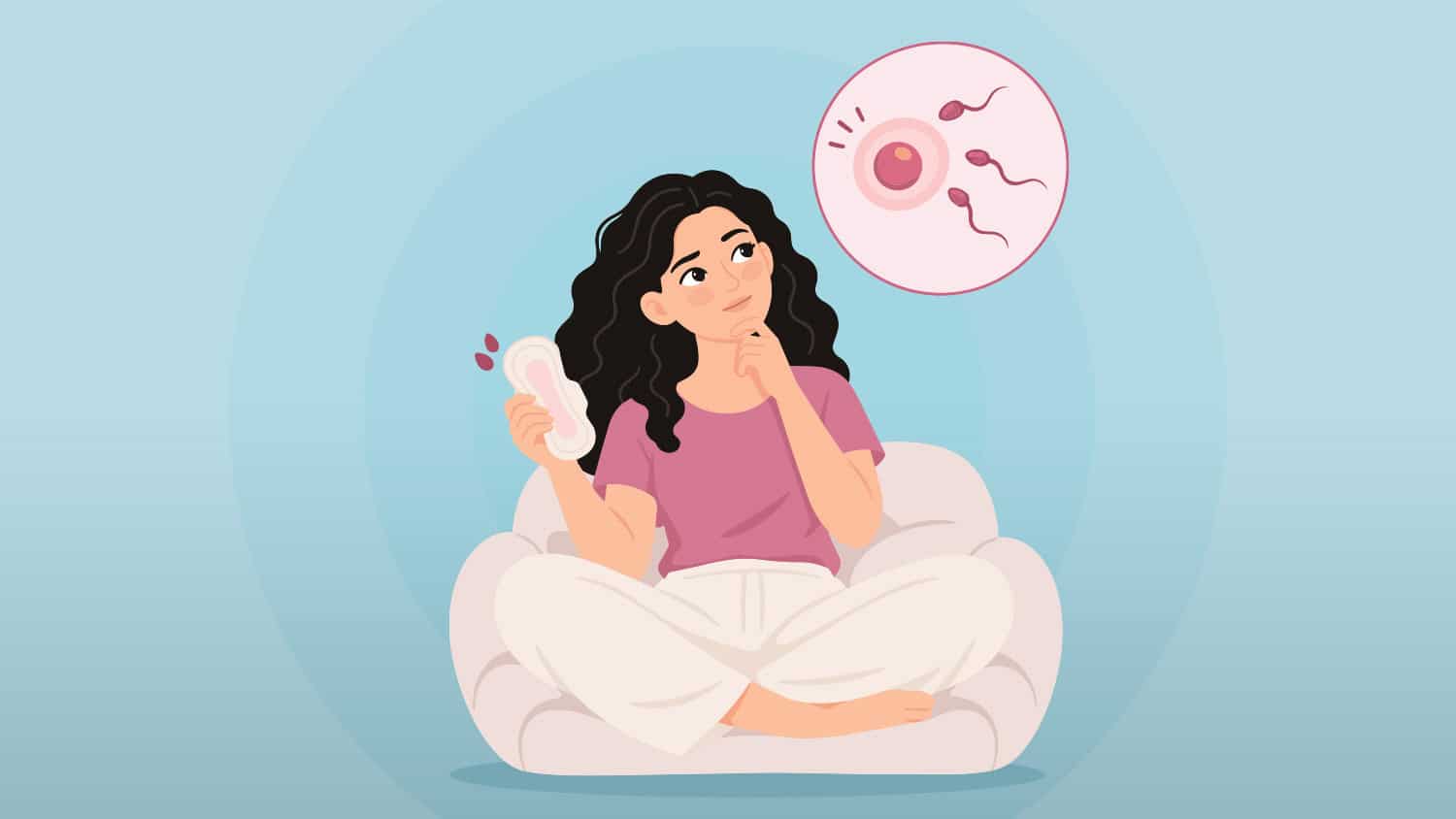
Had sex without protection, or did the condom break? You may still have time to act. Emergency contraception can work for up to 5 days, and pills work best when taken early. If you are worried about HIV (human immunodeficiency virus), go to urgent care or an emergency room within 72 hours to ask about PEP (post-exposure prophylaxis), a medicine that can prevent HIV. Pregnancy tests and tests for sexually transmitted infections (STIs) come later.
Unprotected sex means sex without a condom or other birth control, or sex when your birth control failed. Below are the steps for today and the tests that come later.
On this page
- What should you do immediately after unprotected sex?
- Could you get pregnant from unprotected sex?
- Do you need emergency contraception?
- Which emergency contraception options are available?
- What should you expect after taking emergency contraception?
- What if it has been more than five days?
- Can you get emergency contraception without a parent?
- Do you need STI testing?
- When should you take a pregnancy test?
- What if sex was not consensual?
- How can you protect yourself next time?
- When to see a doctor?
Key takeaways
- Emergency contraception lowers the chance of pregnancy. Take it as soon as possible; some options work for up to 5 days.
- PEP, a medicine that helps prevent HIV, must start within 72 hours of exposure. Sooner is better.
- A broken condom, pulling out, or an unsure cycle does not rule out pregnancy.
- STI tests may need repeating, because some infections do not show up right away.
- Levonorgestrel emergency contraception (Plan B One-Step and generics) is sold in U.S. pharmacies without a prescription or age limit.
What should you do immediately after unprotected sex?
- Take emergency contraception as soon as you can. It can work for up to 5 days.
- If you are worried about HIV, go to urgent care or an emergency room within 72 hours.
- Get tested for STIs. You may need a second test later.
- Take a pregnancy test from the first day of a missed period, or about four weeks after sex if you are not sure when your period is due.
- Go to the emergency room for severe pain, fainting, or heavy bleeding.
Do you need to prevent pregnancy? Levonorgestrel pills (Plan B One-Step and generics) are sold at most pharmacies. You do not need a prescription or have to meet an age limit. Ulipristal (ella) and the copper IUD need a clinician (a doctor, nurse practitioner, or other health care professional). Try a pharmacy, urgent care, community health center, health department clinic, college health center, or telehealth.
You can say: “I had sex without birth control about 24 hours ago. Which emergency contraception can I get today?”
Do not douche (wash inside the vagina). Douching cannot prevent pregnancy or STIs, and it can increase your risk of infection.1 If semen may have entered the vagina, ask about emergency contraception rather than relying on urinating or showering afterward.2
Could you get pregnant from unprotected sex?
You can get pregnant after vaginal sex without contraception even if ejaculation occurred outside the vagina. Withdrawal (pulling out) is not completely reliable: about 22 in 100 people who rely on it alone become pregnant in one year of typical use, which means real-life use with mistakes.3 A condom that breaks or slips, or semen near the vaginal opening, can let sperm reach the vagina even without full penetration.
Ovulation (when an ovary releases an egg) can shift, even if your periods are regular. Sperm can live in the body for up to 5 days, so sex a few days before ovulation can lead to pregnancy. Sex on your period or on a “low-risk” day can also lead to pregnancy. Do not wait to figure out your fertile days before taking emergency contraception.
Oral sex cannot cause pregnancy, but it can pass on STIs. If you missed two or more combined birth control pills in a row and had sex, ask a pharmacist or clinician about emergency contraception. For progestin-only pills, ask if you took a pill more than 3 hours late.4
Do you need emergency contraception?
| Situation | Emergency contraception? |
| No birth control used during vaginal sex | Yes, consider emergency contraception |
| Condom broke, slipped, or came off | Yes, consider emergency contraception |
| Withdrawal, or semen near the vaginal opening | Yes, consider emergency contraception |
| Two or more missed pills, a late contraceptive shot, or a patch/ring problem | Possibly. Ask a pharmacist or clinician about your specific method |
The need for emergency contraception depends on which method was used, when it failed, and whether pregnancy is possible. If you are uncertain, seek help within the five-day window.5
Which emergency contraception options are available?
Emergency contraception lowers the chance of pregnancy after sex without birth control, or when birth control fails. The pills mainly work by delaying ovulation. It is not the abortion pill. It will not end a pregnancy that has already started, and it does not protect against STIs.25
| Method | Time window | Practical considerations |
| Levonorgestrel pill (Plan B One-Step and generics) | Most effective within 72 hours; can be used up to five days, although effectiveness decreases. | Sold in U.S. pharmacies without a prescription or age limit. May work less well in women with obesity, but take it anyway. Ask a clinician about other options. |
| Ulipristal acetate pill (ella) | Up to 5 days. More effective than levonorgestrel, especially on days 3 to 5. | Needs a prescription. Ask a clinic or telehealth. Wait 5 days before starting hormonal birth control. |
| Copper intrauterine device (IUD) | Within 5 days of sex. Sometimes later if a clinician can estimate when you ovulated. | Most effective option at any body weight. Needs a clinic visit. Also gives birth control for up to 10 years.3 |
The copper intrauterine device (IUD) is approved by the U.S. Food and Drug Administration (FDA) for birth control. Using it as emergency contraception is “off-label,” which means the FDA labeling does not specifically list that use. Current U.S. guidelines support emergency use of a copper IUD.4 American College of Obstetricians and Gynecologists (ACOG) guidance also supports this use.6
Emergency contraception pills may work less well in women with obesity, especially levonorgestrel.5 Do not delay seeking emergency contraception if this applies to you. A copper IUD is not affected by body weight. Some seizure medicines, rifampin (an antibiotic), and St. John’s wort can also make emergency pills less effective. Tell your pharmacist or clinician what you take.7
What should you expect after taking emergency contraception?
Side effects can include nausea, headache, breast tenderness, or spotting. They usually pass in a day or two. Your next period may come early or late. If your period has not come within 3 weeks of taking the pill, or is more than a week late, take a pregnancy test.5 Bleeding does not tell you whether the pill worked.
If you throw up within 3 hours of taking the pill, call a pharmacist or clinician right away. You may need another dose.5
Emergency contraception does not affect future fertility. It will not harm a pregnancy that already exists.8 It only covers sex that already happened, so use condoms or avoid sex until your regular method works.
Restarting regular birth control depends on which pill you took:
- If you took levonorgestrel: you can start or restart hormonal birth control right away. Use condoms or avoid sex for 7 days. Ask which backup time applies to your method.5
- If you took ulipristal (ella): wait at least 5 days before starting or restarting hormonal birth control. Then use condoms or avoid sex for 7 days.5
What if it has been more than five days?
Emergency contraceptive pills are not reliably effective after five days. A copper IUD may still be an option if a clinician can estimate ovulation and place it no more than five days afterward. Schedule STI testing, and take a pregnancy test from the first day of a missed period, or about four weeks after sex if you are not sure when it is due.4516
Can you get emergency contraception without a parent?
In the U.S., anyone, including a teenager, can buy levonorgestrel emergency contraception without a prescription or age restriction.9 For ella or an IUD, rules about a minor’s consent and privacy may differ by state. Insurance claims may generate an explanation-of-benefits statement visible to the policyholder. Before a visit, ask the clinic about confidentiality, fees, and low-cost services.10
Do you need STI testing?
Sex without a condom, or with a condom that broke, can pass on chlamydia, gonorrhea, syphilis, HIV, herpes, HPV (human papillomavirus), and other STIs. You do not need symptoms to get tested. Whether you need tests depends on the type of sex, your partner’s status, and your sexual history.
Chlamydia and gonorrhea can be cured with antibiotics. Sexually active women younger than 25 should be screened for chlamydia and gonorrhea every year.11
When do you need HIV PEP?
Ask about PEP right away if your partner has HIV, or you do not know their HIV status, and the sex was unprotected. A provider will decide whether you need it. Go to an emergency room or urgent care. Do not wait for your partner’s test results.
Not every exposure needs PEP. The risk depends on the type of sex and on whether your partner has HIV and is on treatment. A provider can sort this out quickly.12
PEP is a 28-day course of HIV medicines that lowers the chance of getting HIV after exposure. It must start within 72 hours, and starting within 24 hours is best. Providers use the same medicines to treat HIV. Using them as PEP is off-label but supported by Centers for Disease Control and Prevention (CDC) guidelines.12
Hepatitis B is a liver infection caused by a virus. Most people born in the U.S. since the 1990s got the hepatitis B vaccine as babies. If you are not sure you are vaccinated, or your partner has hepatitis B, tell a provider as soon as possible. A vaccine, and sometimes a shot of antibodies, can help prevent infection.13 If you have not had the HPV vaccine, ask about it. It is recommended through age 26.14
When should you get tested for STIs?
Schedule a visit at a clinic, urgent care, or your regular provider as soon as you can, even with no symptoms. Some infections do not show up right away, so you may need a second test later. Depending on the type of sex, testing may be a urine sample, a vaginal swab (often one you collect yourself), a blood test, or a throat or rectal swab.11
A lab blood test can find HIV 18 to 45 days after exposure if you did not take PEP. A negative test before that window should be repeated. Other HIV tests can take longer to turn positive. If you took PEP, follow-up testing is usually at 4–6 weeks and again at 12 weeks.1215
| Test | When to test |
| HIV, lab blood test (if you did not take PEP) | 18 to 45 days after exposure |
| HIV, if you took PEP | 4–6 weeks and 12 weeks after exposure |
When should you take a pregnancy test?
A home pregnancy test cannot tell you anything right after sex. Home tests look for hCG (human chorionic gonadotropin), a hormone your body makes only after a pregnancy implants in the uterus. Testing too early can give a false negative, which means the test says you are not pregnant when you are.16
If your period is late, take a home pregnancy test and follow the package directions. If you took emergency contraception and your period has not come within 3 weeks of taking it, test then.5 If you did not, and your periods are irregular or you are not sure when the next one is due, test about four weeks after sex. First-morning urine gives the most accurate early result.16
If the test is negative but your period still has not come a week later, test again or see a provider.
Symptoms cannot tell you if you are pregnant. Mild cramps, tender breasts, nausea, and spotting can come from PMS (premenstrual syndrome) or from emergency contraception. Rely on a test.
If your test is positive, see a provider as soon as you can to confirm it and talk through your options. Some options are time-sensitive, and you do not have to decide anything first. Options include continuing the pregnancy, abortion, and adoption. Access and rules differ by state, and a clinician can explain what is available where you live.
What if sex was not consensual?
It is not your fault. Medical care is available now, and the 72-hour and 5-day windows above still apply. Hospitals and sexual assault centers can treat injuries, help prevent pregnancy, STIs, and HIV, and explain evidence collection (a forensic exam). Reporting and privacy rules vary by state, especially under 18, so ask before you share details.17
If you want evidence collected, avoid bathing or changing clothes beforehand if possible. You can still seek care if you have already done so. In the United States, the National Sexual Assault Hotline, 800-656-HOPE (4673), can connect you with local services.17 For adolescents, a trusted adult or provider can help explain available care and privacy rules.
How can you protect yourself next time?
Save the key dates in your phone: the day of sex, when you took emergency contraception, your STI test date, and your pregnancy test date. Keep your notes private if you share a device.
If your birth control is hard to use every day, ask about options that are easier to use correctly, such as an implant, IUD, or shot. Condoms also lower STI risk. Pills, implants, and IUDs mainly prevent pregnancy. Keep condoms on hand. You can also buy levonorgestrel pills ahead of time and keep them at home.
If you are at ongoing risk for HIV, ask a provider about PrEP (pre-exposure prophylaxis), a daily pill or injection that lowers your chance of getting HIV.12
When to see a doctor?
Schedule a visit with your OB-GYN if:
- Your pregnancy test is positive, or your period still has not come a week after a negative test.
- You have unusual vaginal discharge, genital sores, burning when you pee, or pelvic pain that does not go away. Untreated STIs can lead to pelvic inflammatory disease (PID), an infection of the reproductive organs.
- A sexual partner informs you of an STI diagnosis.
- You have bleeding after emergency contraception that lasts more than a week or is heavier than a normal period.
- You are unsure whether another medication or a missed birth control dose affects your protection.
- You have a fever, chills, or pelvic pain with unusual discharge.
Seek emergency care if:
- You have sudden, severe abdominal or pelvic pain, especially if pregnancy is possible.18
- You have shoulder-tip pain, severe dizziness, weakness, or fainting; these can signal internal bleeding from an ectopic pregnancy (a pregnancy growing outside the uterus).18
- You are soaking through one or more pads or tampons every hour for more than two hours in a row.19
- You have heavy bleeding with dizziness or lightheadedness, shortness of breath, or chest pain.19
- You have serious injuries or are in immediate danger after sexual violence.
Frequently asked questions
Yes. Pulling out lowers the chance of pregnancy but does not remove it. Sperm can enter the vagina before withdrawal, or from semen at the vaginal opening.
Yes. One time without a condom, or with a condom that broke, can pass on an STI. You do not need symptoms to get tested.
Yes, though it is less likely. Sperm can live up to 5 days, and ovulation can come early, so sex on your period can still lead to pregnancy.
No. Urine leaves through the urethra, not the vagina. Washing afterward cannot remove sperm that have already entered the reproductive tract, and douching is not protective.
Yes. Emergency contraceptive pills are safe to take more than once when you need them. They work less well than regular birth control, so ask about a longer-term method. Ask a pharmacist which pill is right the second time, because some should not be taken close together.
Yes. Levonorgestrel emergency contraception is available without a prescription or age restriction in the United States. Other methods may require a prescription or appointment.
No. Emergency contraception works mainly by delaying ovulation. It will not end a pregnancy that has already started.
No. Spotting or an early period can happen after emergency contraception, but bleeding alone cannot tell you whether it worked. Take a pregnancy test at the right time.
As soon as you can. The pills work best when taken early, and some options work for up to 5 days.
Last medically reviewed on
References
Our commitment to accuracy is paramount; we use high-quality sources, including peer-reviewed studies, to support the facts in our articles. Learn more about our Editorial Process.
- Office on Women’s Health (OASH). Douching. (Last updated: February 27, 2025). womenshealth.gov
- American College of Obstetricians and Gynecologists (ACOG). Emergency contraception. (Last reviewed: October 2025). acog.org
- Office on Women’s Health (OASH). Birth control methods. (Last updated: May 4, 2026). womenshealth.gov
- Curtis KM, Nguyen AT, Tepper NK, et al. U.S. Selected Practice Recommendations for Contraceptive Use, 2024. MMWR Recomm Rep. 2024;73(3):1–77. cdc.gov
- Centers for Disease Control and Prevention (CDC). Emergency contraception: U.S. Selected Practice Recommendations. (Last reviewed: November 19, 2024). cdc.gov
- American College of Obstetricians and Gynecologists (ACOG). Emergency contraception. ACOG Practice Bulletin No. 152. Obstet Gynecol. 2015;126(3):e1–e11. doi.org
- Centers for Disease Control and Prevention (CDC). Appendix J: classifications for emergency contraception, U.S. Medical Eligibility Criteria. (Last reviewed: November 19, 2024). cdc.gov
- Office on Women’s Health (OASH). Emergency contraception. (Last updated: January 6, 2023). womenshealth.gov
- U.S. Food and Drug Administration (FDA). Plan B One-Step (1.5 mg levonorgestrel) information. (Content current as of: December 23, 2022). fda.gov
- American College of Obstetricians and Gynecologists (ACOG). Confidentiality in adolescent health care. ACOG Committee Opinion No. 803. Obstet Gynecol. 2020;135(4):e171–e177. acog.org
- Centers for Disease Control and Prevention (CDC). Getting tested for STIs. (Last updated: March 17, 2026). cdc.gov
- Tanner MR, O’Shea JG, Byrd KM, et al. Antiretroviral postexposure prophylaxis after sexual, injection drug use, or other nonoccupational exposure to HIV: CDC recommendations, United States, 2025. MMWR Recomm Rep. 2025;74(1):1–56. cdc.gov
- Centers for Disease Control and Prevention (CDC). Chapter 10: hepatitis B. Epidemiology and Prevention of Vaccine-Preventable Diseases (the Pink Book). (Last updated: May 9, 2024). cdc.gov
- Centers for Disease Control and Prevention (CDC). HPV vaccination. (Last updated: August 20, 2024). cdc.gov
- Centers for Disease Control and Prevention (CDC). Getting tested for HIV. (Last updated: September 15, 2026). cdc.gov
- U.S. Food and Drug Administration (FDA). Pregnancy. (Content current as of: April 29, 2019). fda.gov
- Office on Women’s Health (OASH). Sexual assault. (Last updated: February 26, 2025). womenshealth.gov
- American College of Obstetricians and Gynecologists (ACOG). Ectopic pregnancy. (Last reviewed: April 2026). acog.org
- American College of Obstetricians and Gynecologists (ACOG). Heavy menstrual bleeding. (Last reviewed: May 2026). acog.org
Update history
Our team monitors the health and wellness space to keep articles current.
Current version (October 28, 2026) — Medically reviewed by Dr. Sadaf Iftikhar, MBBS, FCPS. Written by Dr. Aqsa Munir, MBBS.